



Introduction to Threat Modeling
In today’s evolving cybersecurity landscape, anticipating threats before they become incidents is crucial. Threat modeling is a proactive approach that allows organizations to identify, evaluate, and mitigate potential security threats early in the development process. This page is designed to provide senior leadership, CISOs, security architects, and other decision-makers with a clear understanding of what threat modeling is, its importance, and how it can be effectively implemented within their organizations.
What is Threat Modeling?
Threat modeling is a structured process that helps organizations identify and assess potential threats to their systems, applications, or networks. The goal is to understand the attack surface, identify vulnerabilities, and develop strategies to mitigate or eliminate risks before they can be exploited.
Key Components of Threat Modeling:
- Assets: What are you trying to protect? (e.g., data, systems, users)
- Threats: What could go wrong? (e.g., data breaches, unauthorized access)
- Vulnerabilities: Where are the weak points? (e.g., outdated software, misconfigurations)
- Impact: What would be the consequences? (e.g., financial loss, reputational damage)
- Mitigations: How can you reduce the risk? (e.g., encryption, access controls)

Why is Threat Modeling Important?
For Senior Leadership and CISOs, threat modeling is not just a technical exercise—it’s a strategic tool that aligns security measures with business objectives. By incorporating threat modeling into the development lifecycle, organizations can:
- Proactively Identify Risks: Understand potential threats early to prevent costly breaches.
- Enhance Communication: Bridge the gap between technical teams and leadership with a clear risk management framework.
- Optimize Security Investments: Focus resources on the most critical threats, ensuring that security efforts are both effective and efficient.
- Support Regulatory Compliance: Demonstrate a systematic approach to risk management, which is often required by industry regulations.
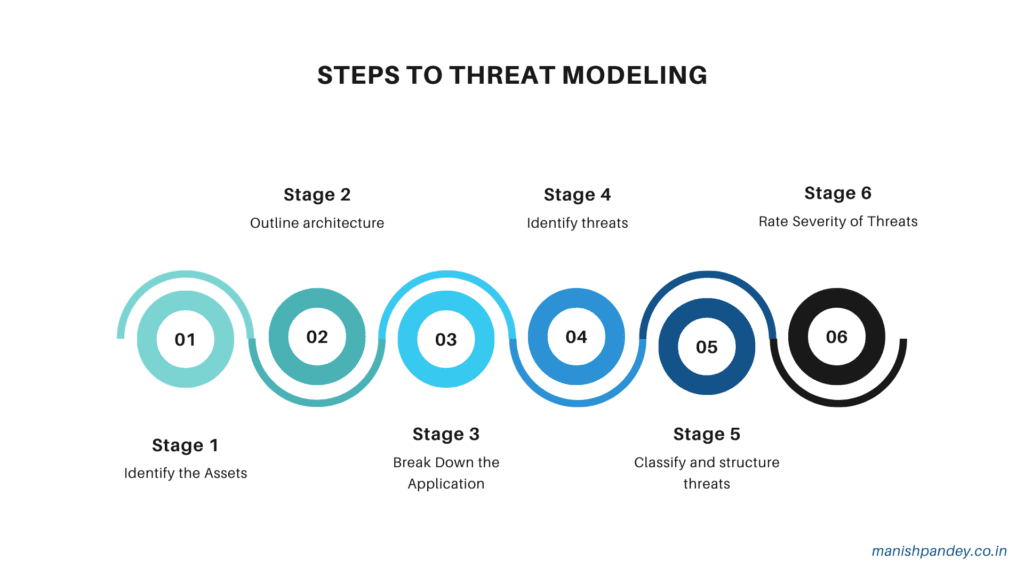
The Threat Modeling Process
- Define Objectives:
- Understand what you are trying to protect and why.
- Identify the stakeholders and their concerns.
- Identify Assets and Entry Points:
- Map out the system architecture.
- Determine where threats could originate.
- Identify Threats:
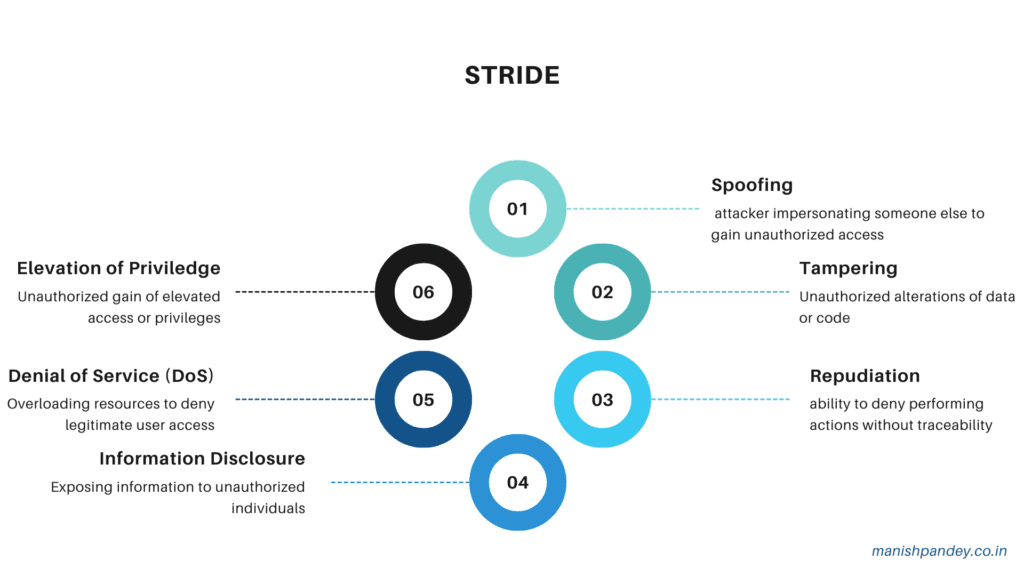
- Use frameworks like STRIDE (Spoofing, Tampering, Repudiation, Information Disclosure, Denial of Service, Elevation of Privilege) to categorize potential threats.
- Identify Vulnerabilities:
- Conduct assessments to find weaknesses in the system.
- Utilize tools and manual reviews to uncover hidden flaws.
- Determine Impact:
- Assess the potential impact of each identified threat.
- Prioritize threats based on their likelihood and potential damage.
- Develop Mitigation Strategies:
- Implement security controls to reduce or eliminate risks.
- Create response plans for potential incidents.
- Review and Refine:
- Continuously review the threat model as the system evolves.
- Adjust strategies based on new threats and vulnerabilities.
Best Practices for Effective Threat Modeling
- Integrate Early: Begin threat modeling during the design phase to catch vulnerabilities before they are embedded in the system.
- Collaborate: Involve cross-functional teams, including developers, security experts, and business leaders, to ensure all perspectives are considered.
- Use Established Frameworks: Leverage industry-standard frameworks like STRIDE, DREAD (Damage, Reproducibility, Exploitability, Affected Users, Discoverability), and PASTA (Process for Attack Simulation and Threat Analysis) to guide the process.
- Document Everything: Maintain comprehensive records of the threat modeling process, including identified threats, mitigations, and decision rationale.
- Regular Updates: Threat modeling is not a one-time activity; it should be revisited regularly to adapt to new threats and changes in the system.
Conclusion: The Strategic Value of Threat Modeling
For senior leaders, CISOs, and security architects, threat modeling is a critical tool that transforms cybersecurity from a reactive process into a proactive strategy. By identifying and mitigating potential threats early, organizations can safeguard their assets, maintain trust, and ensure long-term success in an increasingly hostile cyber environment.
Stay ahead in cybersecurity—reach out to us for expert advice or subscribe to our newsletter for the latest insights and updates delivered straight to your inbox.